
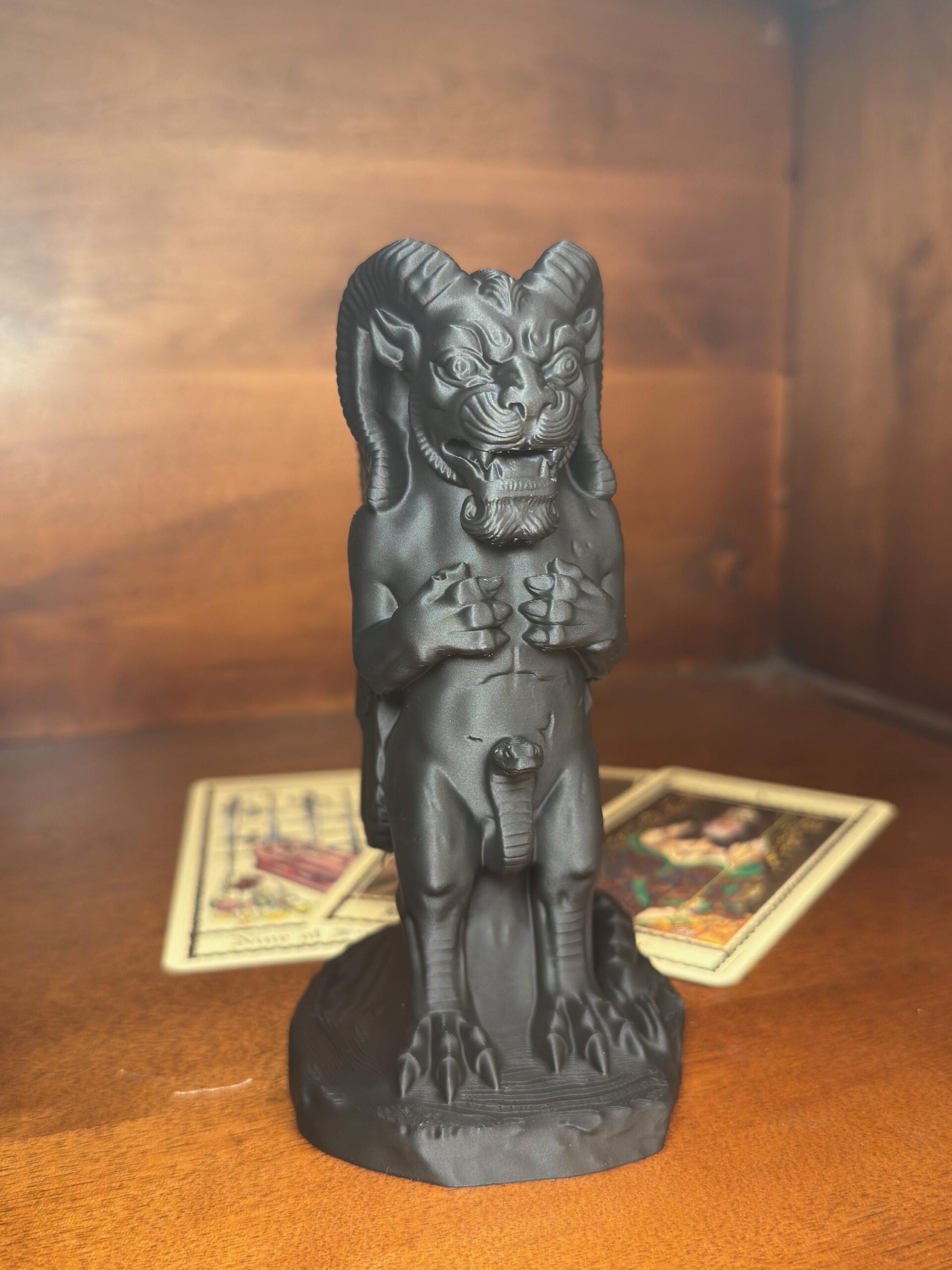
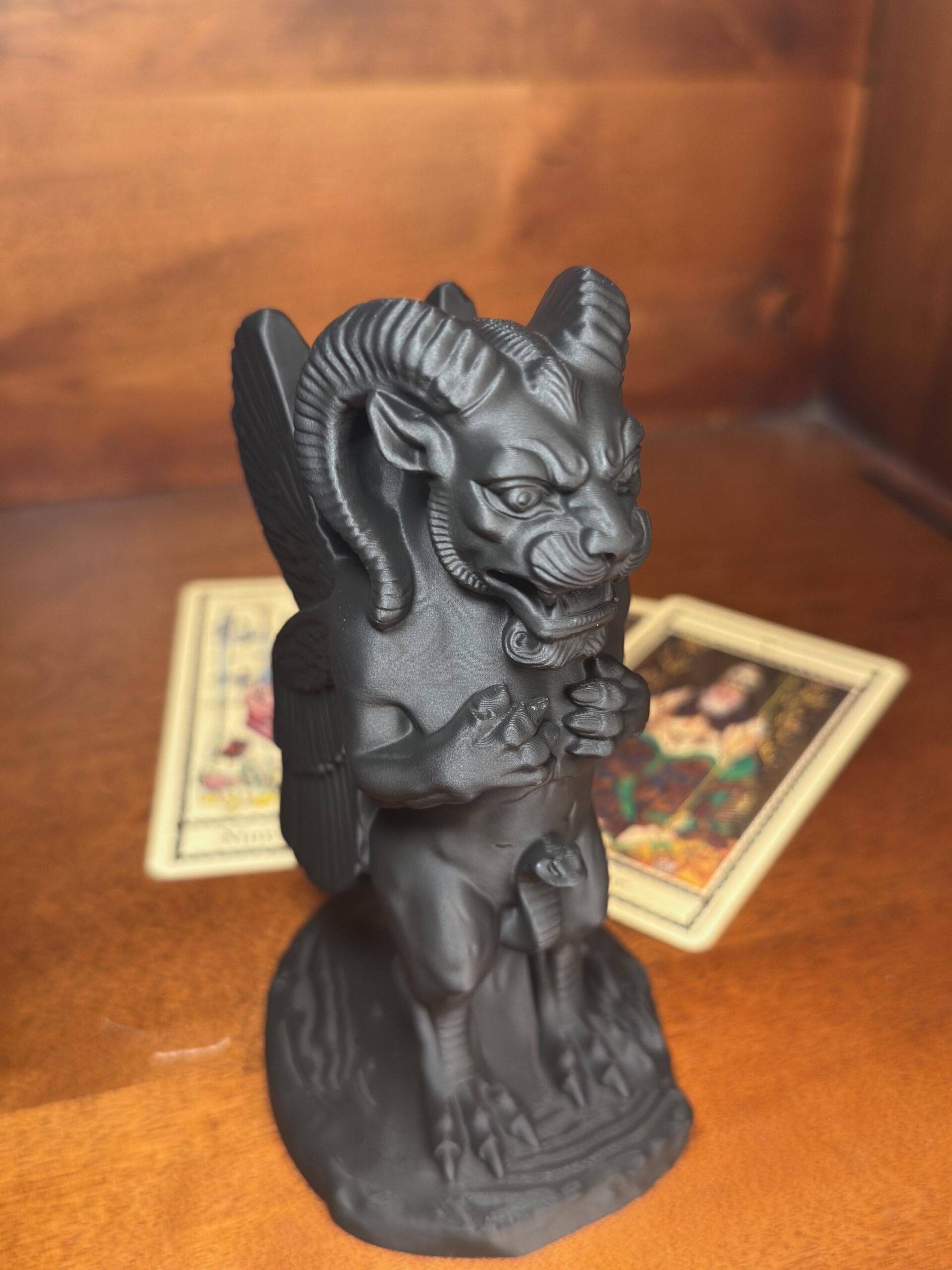
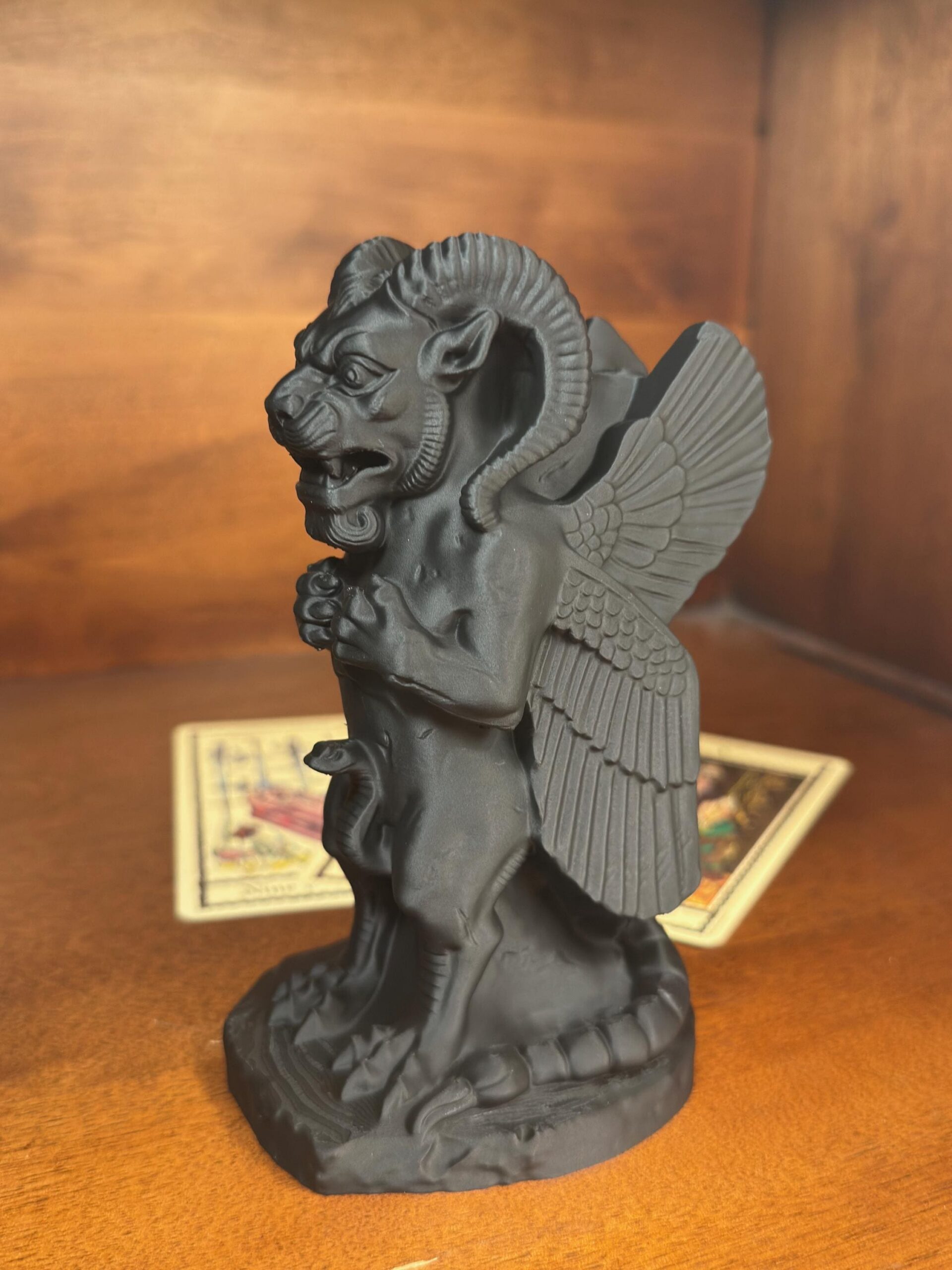
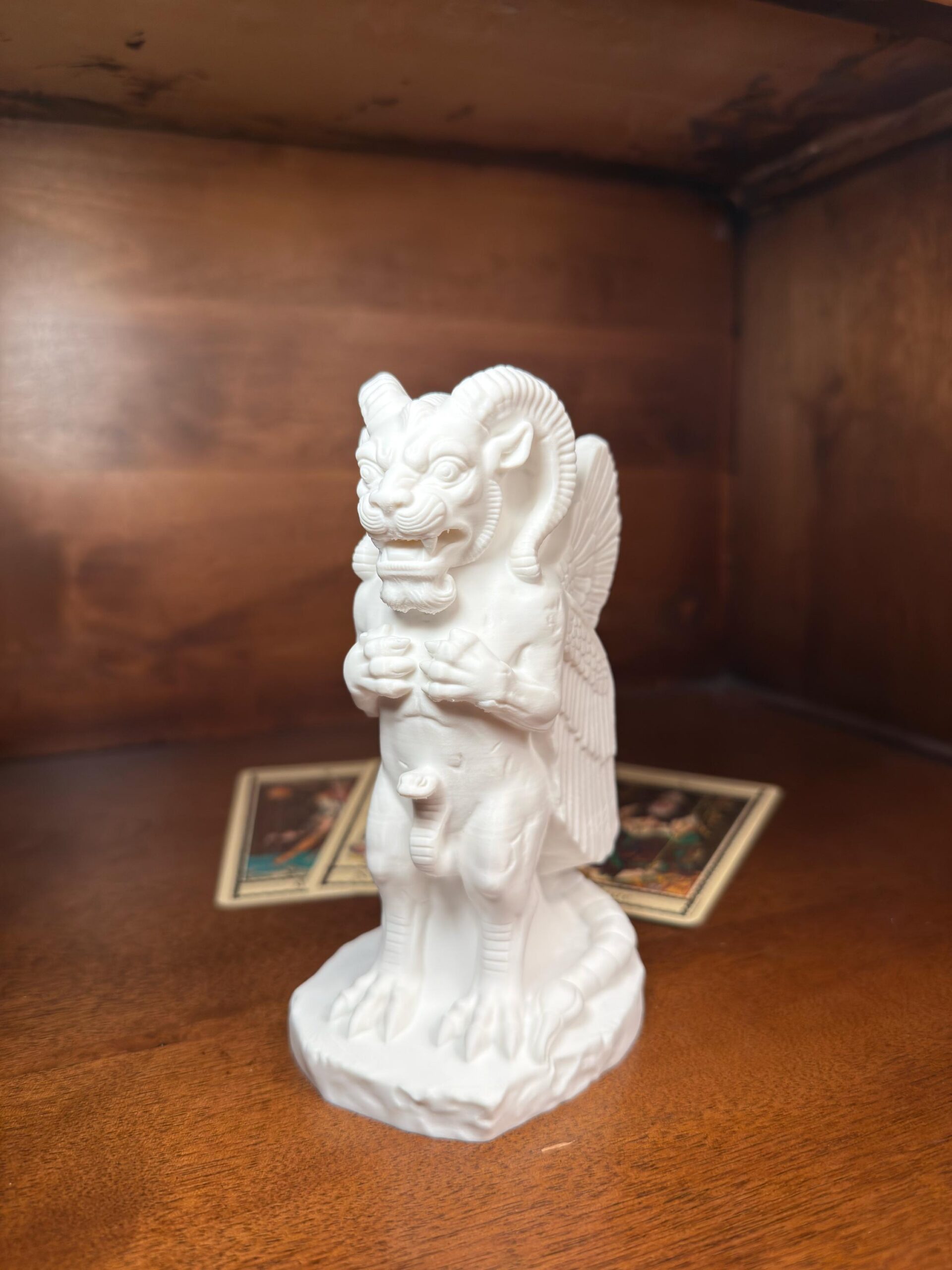
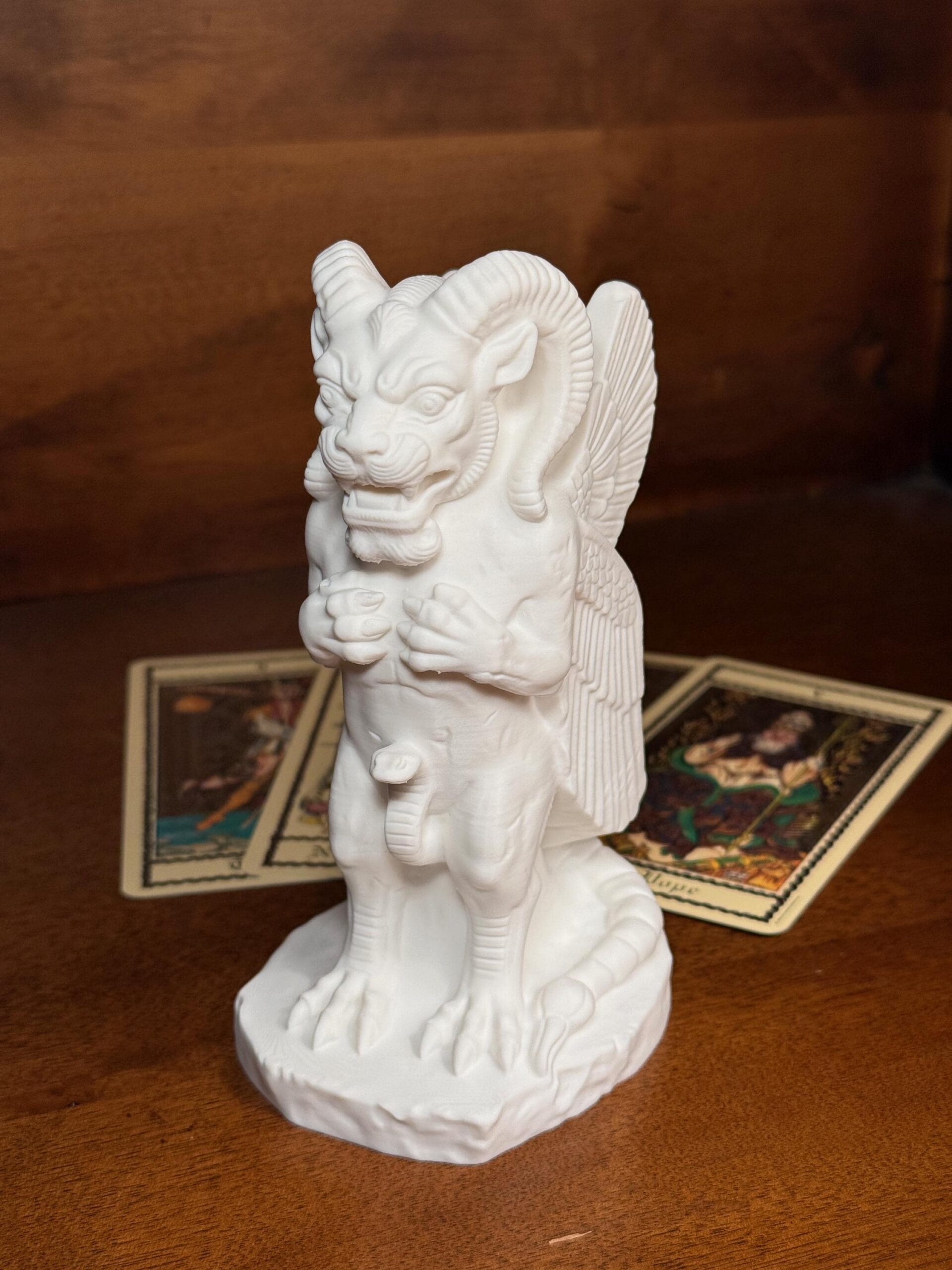
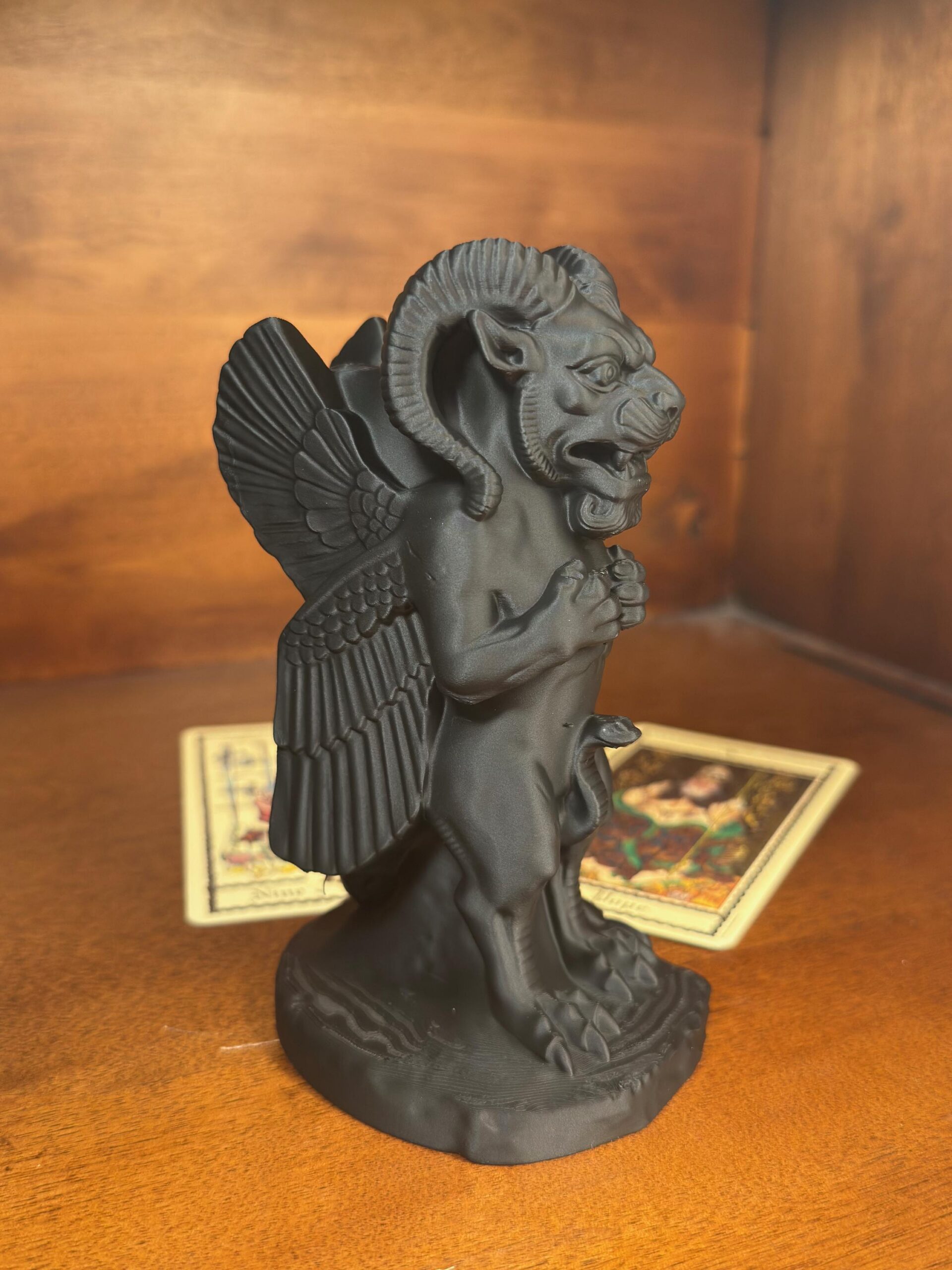
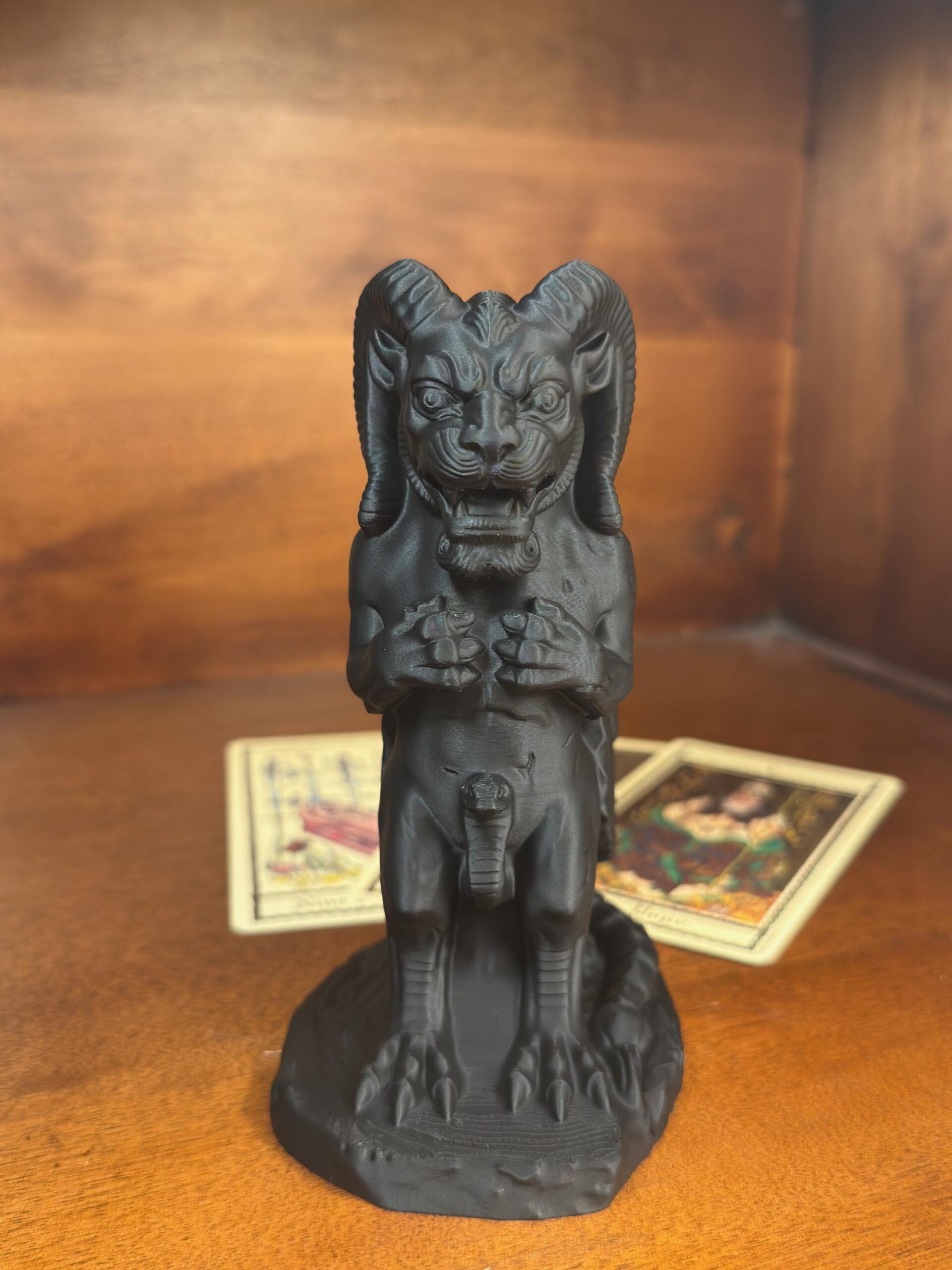
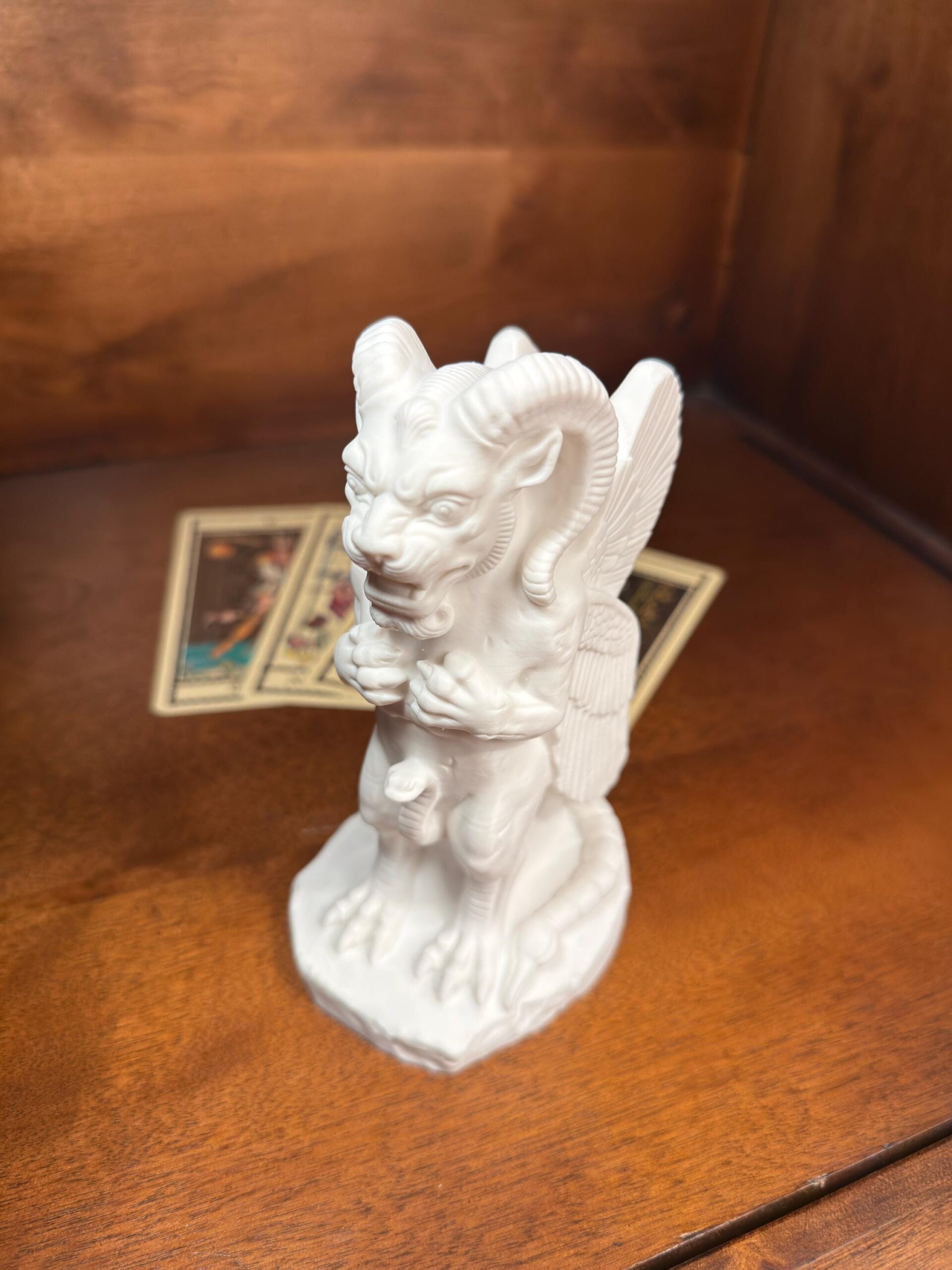
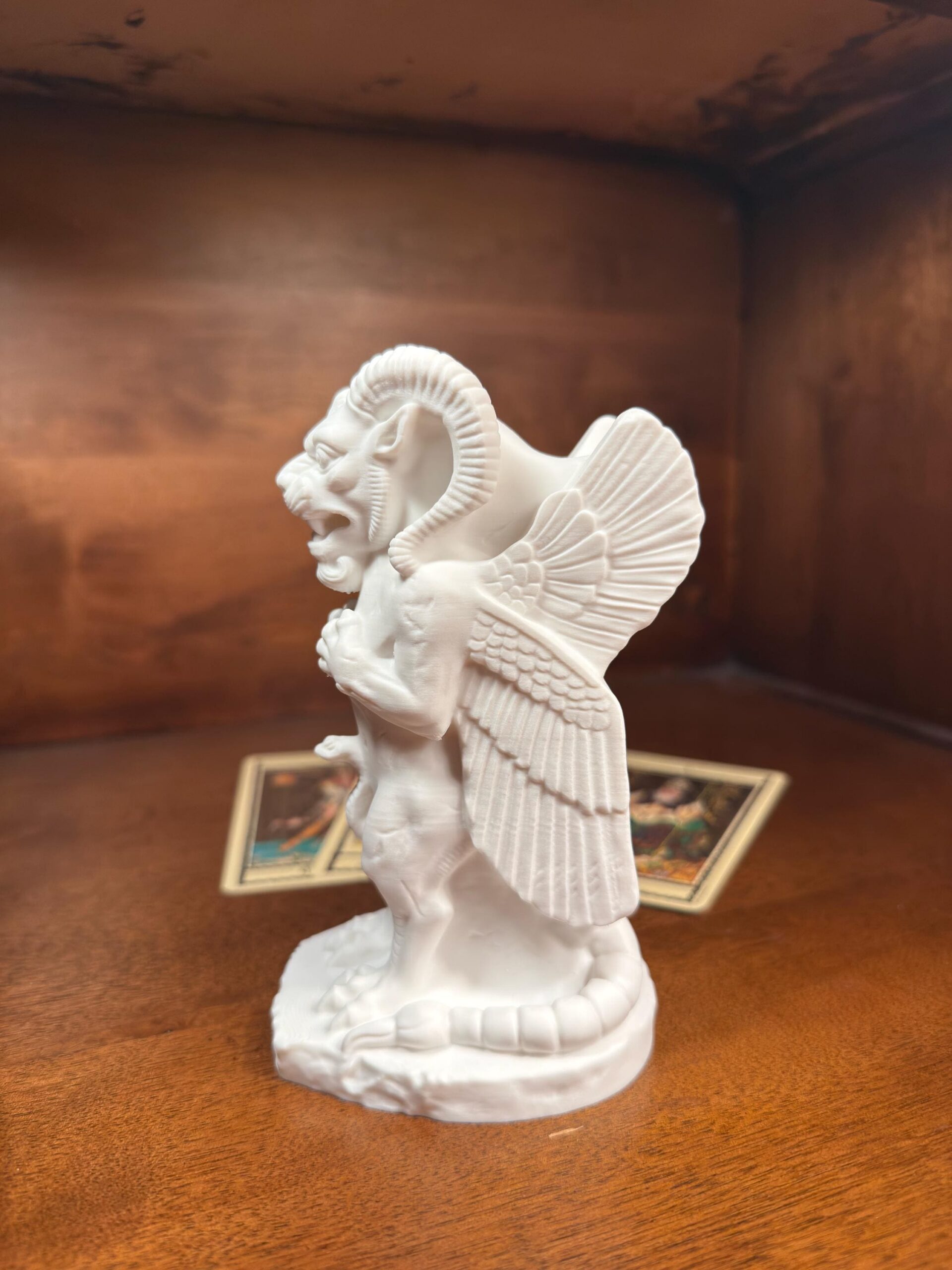
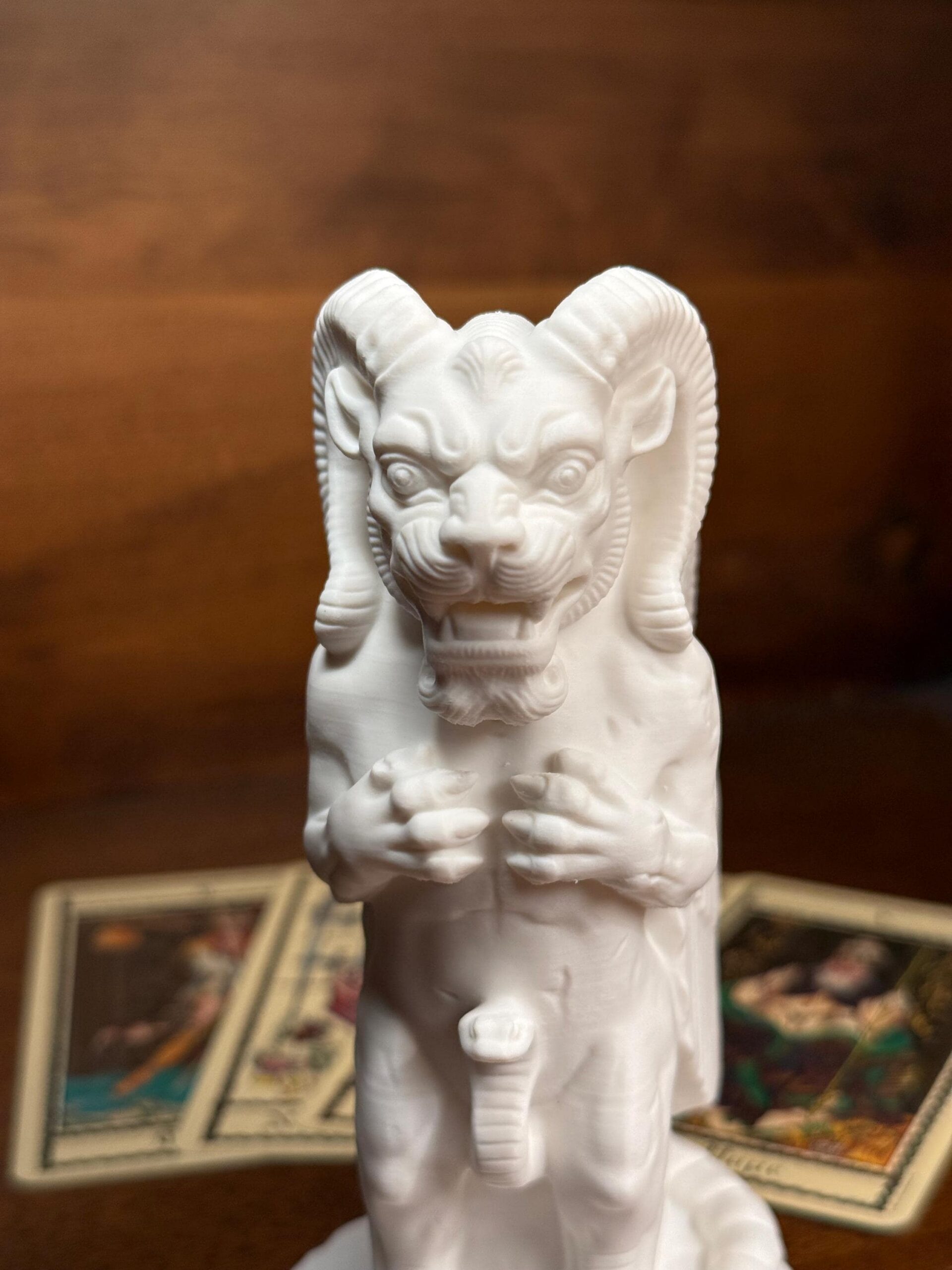
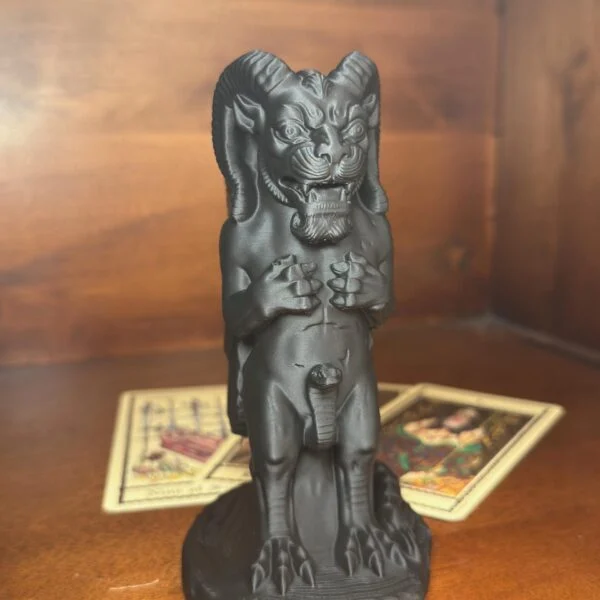
I designed this Pazuzu statue to bring one of ancient Mesopotamia’s most formidable and misunderstood figures to your altar, bookshelf, or historical collection. With his snarling face, curled horns, clawed hands, taloned feet, and layered wings, I wanted this piece to capture the imposing hybrid form seen in ancient representations of the wind demon.
Whether you’re interested in Mesopotamian mythology, Assyrian and Babylonian history, protective symbolism, or occult decor, I made this statue to be a striking reminder that ancient supernatural figures were rarely as simple as “good” or “evil.”
To me, Pazuzu is most interesting as a figure of dangerous power turned toward protection. Ancient texts called him the son of Hanbu and king of the wind demons, yet people also kept images of him close as protective amulets.
Pazuzu was especially invoked as a defense against Lamashtu, a demon feared for threatening pregnant women, mothers, and infants. His terrifying appearance was part of his protective purpose: a force frightening and powerful enough to drive other hostile spirits away.
I emphasized his deeply carved wings, muscular stance, prominent horns, open mouth, and raised claws to give the statue the alert, confrontational presence found in ancient Pazuzu imagery. The result is a compact altar figure with an unmistakable silhouette and plenty of sculptural detail from every angle.
How I Make Them
I 3D print each statue right in my workspace using PLA, a durable, plant-based bioplastic derived from renewable materials such as cornstarch.
Because the 3D-printing process builds each piece one layer at a time, your statue will have a subtle surface texture and may show faint layer lines. These are a natural part of the process and make every finished piece slightly unique.
Display Ideas
This Pazuzu statue works especially well as:
A Mesopotamian altar or shrine figure
Protective symbolic decor
An addition to an occult or mythology collection
A historical display piece
Gothic bookshelf or curio-cabinet decor
A gift for someone fascinated by ancient Assyria and Babylon
Care Instructions
Keep indoors: PLA can soften or warp in temperatures above approximately 120°F (50°C), so please do not leave the statue in a hot vehicle, direct summer heat, or prolonged intense sunlight.
Cleaning: Dust gently with a soft brush or microfiber cloth. If needed, wipe it with a barely damp cloth and avoid harsh cleaners or abrasive materials.
I hope this piece brings a sense of ancient mystery and protective strength to your space. Pazuzu’s history is far more complex than his modern reputation suggests, and I wanted this statue to honor the powerful, unmistakable figure found in ancient Mesopotamian art.
A Quick Note on Inspiration
This is my interpretation of the historical Pazuzu found in ancient Mesopotamian art and mythology. It is inspired by surviving Assyrian and Babylonian imagery and is not based on or affiliated with any modern film, television production, game, religious organization, or other copyrighted portrayal. The ancient subject and its historical imagery are in the public domain.
Reviews
There are no reviews yet.